Category: Wasteless

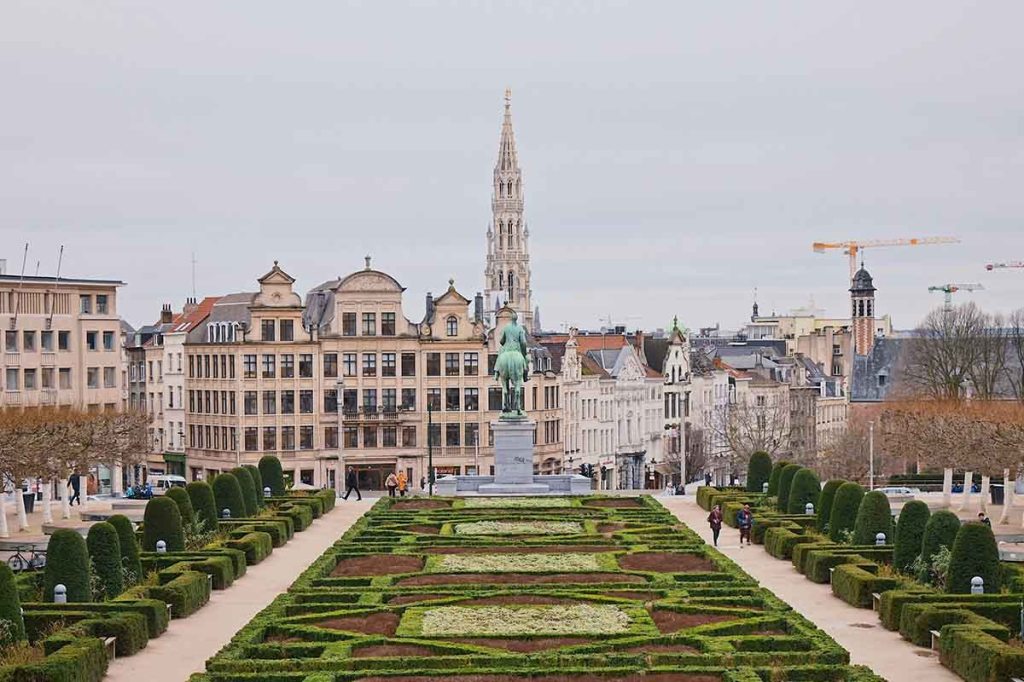
  • Looking Ahead to Brussels: The WASTELESS Final Conference

    Looking Ahead to Brussels: The WASTELESS Final Conference

    📍 Save the Date: April 23, 2026!

    The WASTELESS project is reaching an exciting milestone. On April 23, 2026, the consortium will host its Final Conference in Brussels. This event represents the culmination of over three years of collaborative research, bringing together policymakers from the JRC and Eurostat alongside industry leaders to see the “WASTELESS Toolbox” in action.

    At WIISE, we have been privileged to support the project’s digital evolution by conducting the Development of the Blockchain-Based Electronic Registry. A primary goal of the consortium was to create a transparent, reliable ledger for food waste data. Our role focused on ensuring this architecture aligns with EU data integrity and privacy standards, making the technology safe and accessible for all users.

    As we prepare for the Brussels event, we are working closely with our partners to ensure that the data from our diverse pilots—spanning dairy to aquaculture—is presented in a way that is useful for future legislative discussions. By helping to frame this data as a validated reporting model, we aim to ensure that when operators use these tools, their sustainability efforts are recognized within ESG (Environmental, Social, and Governance) frameworks.

    Key Takeaway: The upcoming Brussels conference is a testament to how transparency and regulatory compliance can work together to power the circular economy.

  • Connecting Data to Policy: Insights from the EU Platform

    Connecting Data to Policy: Insights from the EU Platform

    On November 27, 2025, Brussels hosted the 18th Meeting of the EU Platform on Food Losses and Food Waste. This forum is essential for aligning the efforts of the European Commission and Member States with the 2030 waste reduction targets.

    As a technical-regulatory partner in WASTELESS, WIISE (FARE) follows these institutional dialogues closely. Our goal is to ensure that the innovations developed within the project remain “policy-ready” as the Waste Framework Directive evolves and EU Delegated Decision 2019/1597 is implemented.

    Our contribution focuses on making the “WASTELESS Toolbox” as practical as possible for the end-user. By helping to map industrial data to official NACE/CPA nomenclatures, we work to ensure that the information companies collect can be seamlessly integrated into official reports for the EU Commission and Eurostat. We believe that by bridging the gap between technical monitoring and legal requirements, we can help the agribusiness sector move toward certified, actionable reporting.

    Key Takeaway: Effective waste reduction is easier when we all speak the same language. WIISE is dedicated to translating complex technical data into a format that supports institutional compliance.

  • Collaborative Innovation: Join the WASTELESS External Experts Pool

    Collaborative Innovation: Join the WASTELESS External Experts Pool

    WIISE is pleased to announce a Call for External Experts as part of our commitment to Work Package 3 of the WASTELESS project. This initiative invites professionals from industry, academia, and policy to provide independent perspectives and peer-review the tools developed by the consortium.

    At WIISE, our approach is rooted in strategic mediation. We believe that the most effective solutions are born when technology creators and real-world practitioners work side-by-side. By coordinating this expert pool, we aim to ensure that the project’s results—including legal protocols for upcycling side-streams—are practical, robust, and ready for use by SMEs across all 27 Member States.

    This isn’t just about administrative validation; it’s about building a Community of Practice. We hope to create a network of experts that will continue to support the sustainable management of Europe’s food resources long after the project concludes.

    Key Takeaway: Great innovations thrive on rigorous, diverse feedback. Through this call, we are working to ensure the WASTELESS Toolbox becomes a trusted standard for the industry.

  • Supporting the Transition: The Revised Waste Framework Directive

    Supporting the Transition: The Revised Waste Framework Directive


    September 26, 2025, marked a significant date for the food sector with the official publication of the revised Waste Framework Directive (WFD). As WASTELESS enters its final phase, this legislative update highlights a growing shift in focus: it is no longer just about measuring waste but about reporting it with legal precision.

    WIISE (FARE) has supported this transition by serving as a regulatory guide within the project. While our partners have developed impressive AI sensors and tracking software, our focus has been on ensuring these tools align with the legal landscape. Specifically, we have cooperated on the “Interoperability Bridge” (Task 4.1).

    This logical bridge is designed to help food companies automatically categorize their logistics data according to official European statistical codes (NACE/CPA). By aligning these technical outputs with Commission Delegated Decision (EU) 2019/1597, we aim to provide SMEs with the tools they need to meet Farm-to-Fork targets without unnecessary administrative complexity, while Member States and the European Commission, including the JRC, may rely on data collected through a harmonised framework to simplify the requirements from the Decision on reporting obligations, and to obtain reliable data to feed the Material Flow Analysis (MFA) model developed by the JRC.

    Key Takeaway: Innovation and regulation can move forward together. Our goal is to help turn complex EU directives into clear logic, allowing the food industry to embrace the green transition with clarity.


    @font-face<br> {font-family:”Cambria Math”;<br> panose-1:2 4 5 3 5 4 6 3 2 4;<br> mso-font-charset:0;<br> mso-generic-font-family:roman;<br> mso-font-pitch:variable;<br> mso-font-signature:-536870145 1107305727 0 0 415 0;}@font-face<br> {font-family:Calibri;<br> panose-1:2 15 5 2 2 2 4 3 2 4;<br> mso-font-charset:0;<br> mso-generic-font-family:swiss;<br> mso-font-pitch:variable;<br> mso-font-signature:-536859905 -1073732485 9 0 511 0;}p.MsoNormal, li.MsoNormal, div.MsoNormal<br> {mso-style-unhide:no;<br> mso-style-qformat:yes;<br> mso-style-parent:””;<br> margin:0cm;<br> mso-pagination:widow-orphan;<br> font-size:12.0pt;<br> font-family:”Times New Roman”,serif;<br> mso-fareast-font-family:”Times New Roman”;}.MsoChpDefault<br> {mso-style-type:export-only;<br> mso-default-props:yes;<br> font-family:”Aptos”,sans-serif;<br> mso-ascii-font-family:Aptos;<br> mso-ascii-theme-font:minor-latin;<br> mso-fareast-font-family:Aptos;<br> mso-fareast-theme-font:minor-latin;<br> mso-hansi-font-family:Aptos;<br> mso-hansi-theme-font:minor-latin;<br> mso-bidi-font-family:”Times New Roman”;<br> mso-bidi-theme-font:minor-bidi;<br> mso-font-kerning:0pt;<br> mso-ligatures:none;<br> mso-fareast-language:EN-US;}div.WordSection1<br> {page:WordSection1;}

  • Circularity in Practice: Legal Pathways for Upcycling

    Circularity in Practice: Legal Pathways for Upcycling

    One of the most promising developments from our recent WASTELESS webinars is the progress made in valorisation—turning “unavoidable waste” or side-streams into valuable food and feed ingredients.

    In Work Package 5, WIISE has worked alongside consortium partners to identify the regulatory pathways for upcycling. We recognize that moving from a by-product to a new ingredient involves navigating a complex web of EU food safety laws, including Novel Food status and feed hygiene standards.

    To support this, WIISE has helped develop Safety Protocols and Regulatory Criteria that serve as a roadmap for innovation. We also share these insights through our dissemination platforms, such as foodtimes.eu, to help the wider agribusiness sector view “waste” as a potential resource. Our aim is to provide the legal certainty that allows companies to explore circular business models safely and effectively.

    Key Takeaway: Upcycling is a cornerstone of a circular food system. By clarifying the legal requirements, we can help turn environmental challenges into sustainable economic opportunities.